
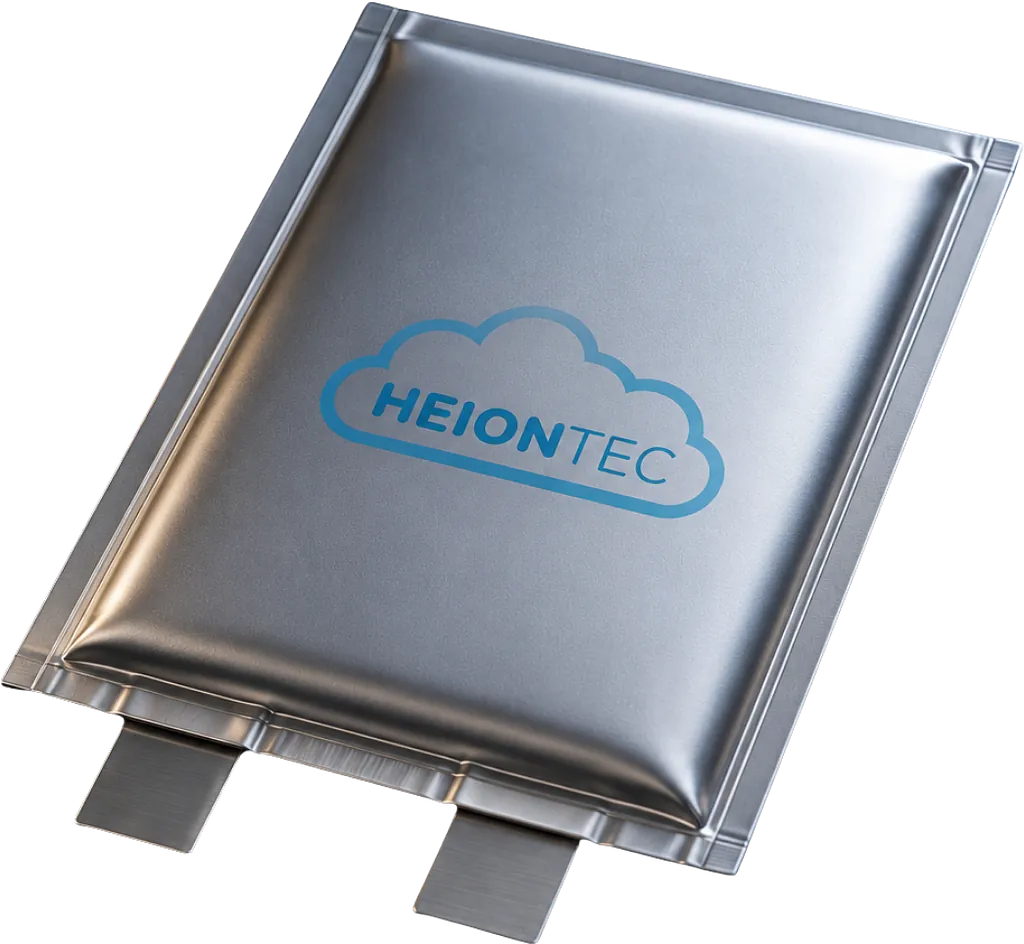
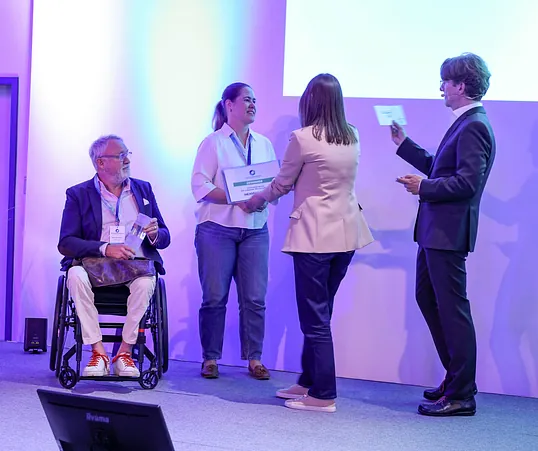
HEIONTEC ist mit dem Innovationspreis beim Existenzgründerpreis der Lübecker Wirtschaft 2026 ausgezeichnet worden. Bei der Preisverleihung am 30. September in den Lübecker Media Docks erreichte die HEIONIT GmbH mit ihrer unter der Marke HEIONTEC entwickelten Technologie den 1. Platz in der Kategorie Innovation.
News
-
-
 28/09/2026 -HEIONTEC in der GründershowMehr lesen
Am 5. Oktober 2026 stellte sich HEIONTEC bei „Die Höhle der Löwen“ auf VOX dem Team der Löwen – und damit einem Millionenpublikum. Keine leichte Aufgabe: Wie präsentiert man jahrelange Forschung und Entwicklung, eine ambitionierte Vision und die nächsten großen Schritte eines Deep-Tech-Start-ups in nur wenigen Minuten?
-
 18/09/2026 -HEIONTEC im Finale des Existenzgründerpreises der Lübecker Wirtschaft 2026Mehr lesen
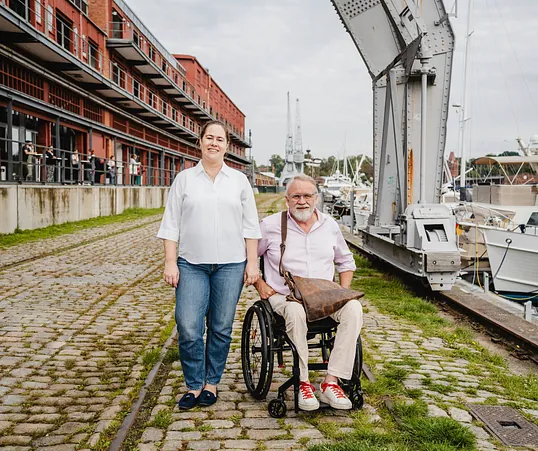
HEIONTEC hat es ein weiteres Mal in ein Finale geschafft! Aus insgesamt 56 Bewerbungen gehört HEIONTEC zu den sechs Finalisten des Existenzgründerpreises der Lübecker Wirtschaft 2026 im Bereich Innovation und dem Publikumspreis. Am 30. September fällt bei der großen Gala in den Lübecker Media Docks die Entscheidung.
-
 15/09/2026 -HEIONTEC ist Überflieger 2026 – auf ins Silicon ValleyMehr lesen
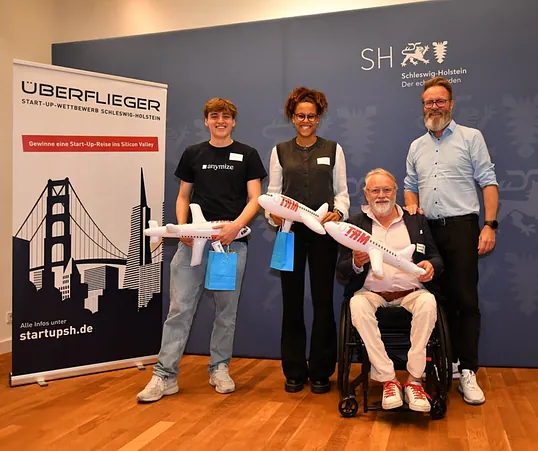
HEIONTEC gehört zu den drei Gewinnern des Überflieger-Wettbewerbs 2026. Mit der Auszeichnung gewinnt das Deep-Tech-Unternehmen eine Reise nach San Francisco und ins Silicon Valley und erhält dort die Gelegenheit, seine Technologie internationalen Investoren, Unternehmen und Innovationspartnern vorzustellen.
-
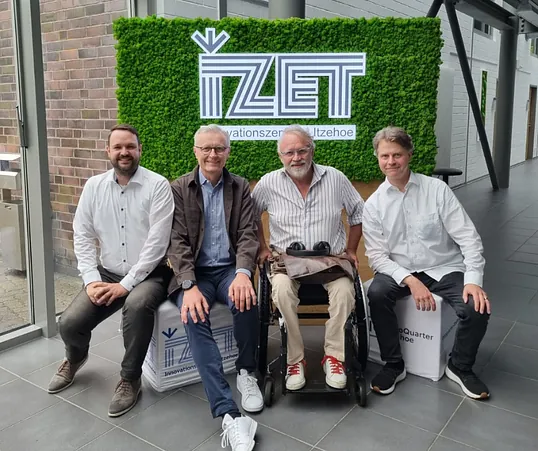 10/07/2026 -HEIONTEC und Celtrix starten strategische Partnerschaft zur Fertigung neuartiger Energiezellen für autarke SensorikMehr lesen
HEIONTEC und Celtrix GmbH haben eine strategische Technologiepartnerschaft vereinbart. Ziel der Zusammenarbeit ist die Fertigung thermoelektro-chemischer Generatorzellen (TEC-G-Zellen), die auf der von HEIONTEC entwickelten Technologie zur Nutzung von Umgebungswärme basieren. Die neuartigen Energiezellen werden künftig Sensoren und andere Ultra-Low-Power-Systeme autark, batterielos und mit deutlich reduziertem Wartungsaufwand mit Energie versorgen.
-
 01/06/2026 -HEIONTEC auf der EnerHarv 2026 in MadridMehr lesen
Vom 27. bis 29. Mai 2026 traf sich die internationale Energy-Harvesting-Community in Madrid, um aktuelle Entwicklungen und Anwendungen für batterielose und regenerative Energieversorgung zu diskutieren. Organisiert wurde die Konferenz unter anderem von der Power Sources Manufacturers Association (PSMA), der HEIONTEC kürzlich beigetreten ist.
-
 21/05/2026 -HEIONTEC schließt Kapitalrunde erfolgreich abMehr lesen
HEIONTEC hat eine weitere Kapitalrunde erfolgreich abgeschlossen und damit die finanzielle Basis für die nächsten Entwicklungsschritte gestärkt. Sowohl bestehende als auch neue Investoren unterstützen das Unternehmen auf seinem Weg, die TEC-G Technologie weiterzuentwickeln und in Richtung industrieller Anwendung voranzubringen.
-
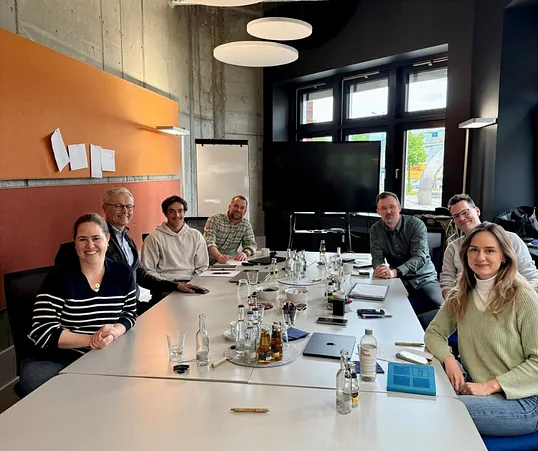 20/05/2026 -HEIONTEC beim Internationalisierungs-Workshop von startuphub.SH in KielMehr lesen
Wie erschließt man internationale Märkte als Startup strategisch, realistisch und mit begrenzten Ressourcen? Mit genau dieser Frage beschäftigte sich der Workshop „Wo lohnt sich die Reise? Strategische Marktrecherche für Startups“ von startuphub.SH in Kiel, an dem auch HEIONTEC teilgenommen hat.
-
 20/04/2026 -HEIONTEC auf der Hannover Messe 2026Mehr lesen
Wir sind vom 22. - 24. April 2026 auf der Hannover Messe vertreten und laden herzlich ein, uns am Gemeinschaftsstand German Accelerator zu besuchen.
-
 31/03/2026 -HEIONTEC wird Teil des Accelerator-Programms GATEWAY49Mehr lesen
Wir freuen uns, bekannt zu geben: HEIONTEC ist Teil des de:hub Renewable Energy – Excellence Track im Accelerator-Programm GATEWAY49.
-
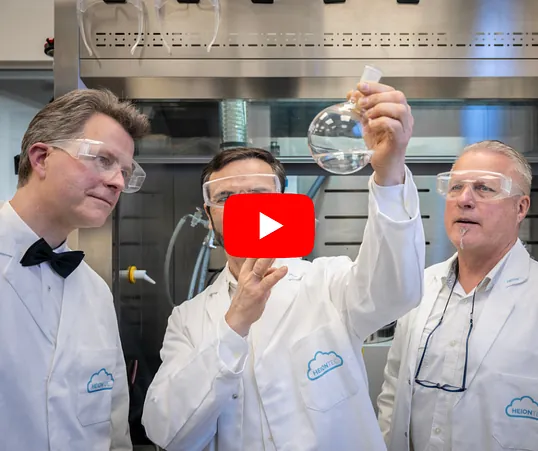 17/03/2026 -HEIONTEC im WDR: Fernsehbericht über die TechnologieMehr lesen
Die Technologie von HEIONTEC zur Stromgewinnung aus Umgebungswärme wurde kürzlich im Fernsehen vorgestellt: In der WDR Lokalzeit berichtete der Westdeutsche Rundfunk über die Entwicklung und den aktuellen Stand der Forschung.
-
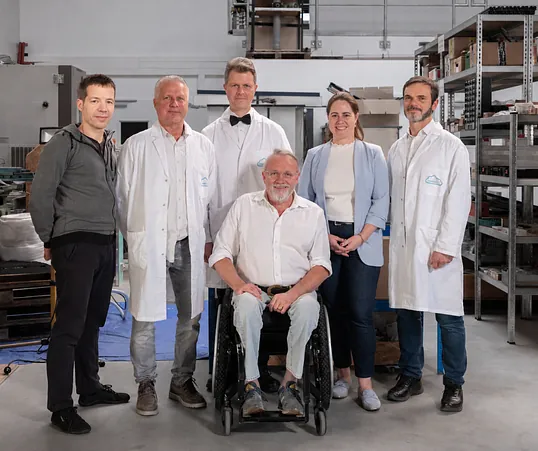 22/01/2026 -Das HEIONTEC-Team: Die Menschen hinter der EnergieinnovationMehr lesen
Die Entwicklung einer völlig neuen Energiequelle gelingt nur durch das Zusammenspiel kluger Köpfe aus Wissenschaft, Technologie und Unternehmertum. Bei HEIONTEC arbeiten Menschen zusammen, die eine gemeinsame Vision teilen: Umgebungswärme als verlässliche, nachhaltige und autarke Stromquelle zugänglich zu machen.
-
 04/01/2026 -HEIONTEC gründet US-Tochtergesellschaft zur Stärkung von Forschung und Markteintritt in NordamerikaMehr lesen
HEIONTEC setzt seinen internationalen Wachstumskurs fort und hat eine eigene US-Tochtergesellschaft gegründet. Mit diesem Schritt stärkt das Unternehmen seine Präsenz in einem der weltweit wichtigsten Technologie- und Energiemärkte und schafft die strukturelle Basis für Forschungspartnerschaften, Pilotprojekte und zukünftige Kommerzialisierung in Nordamerika.
-
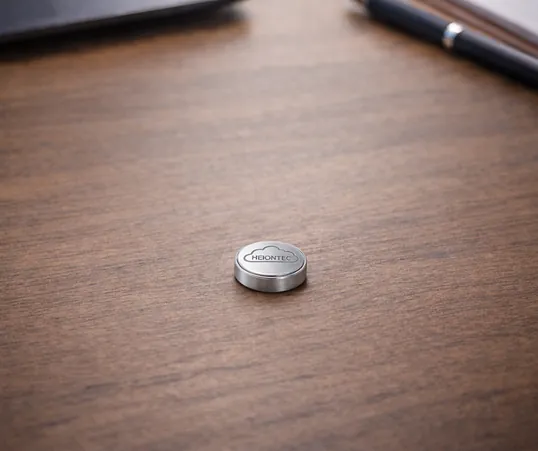 28/12/2025 -Technischer Meilenstein: Erste funktionsfähige HEIONTEC-KnopfzelleMehr lesen
HEIONTEC hat einen zentralen technologischen Meilenstein erreicht: Im Labor wurde erstmals eine vollständig funktionsfähige Knopfzelle auf Basis der eigenen TEC-G-Technologie hergestellt und erfolgreich getestet. Damit liegt nun ein eigenständig produziertes, standardisiertes Zellformat vor, das die Grundlage für Leistungsvalidierungen, Langzeitmessungen und die Vorbereitung der Pilotfertigung bildet.
-
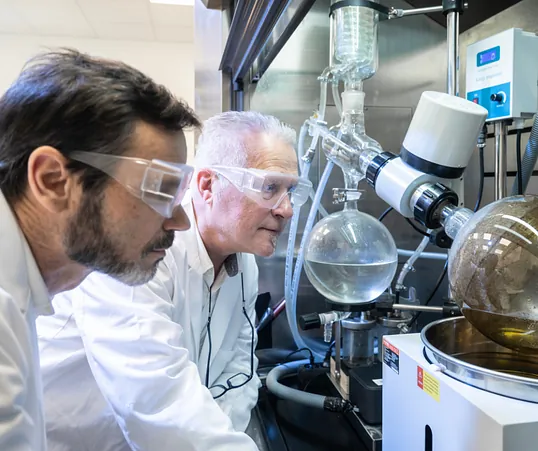 11/12/2025 -Neues HEIONTEC-FAQ: Warum wir ein eigenes wissenschaftliches Klarstellungs-Dokument veröffentlichenMehr lesen
Mit zunehmender Sichtbarkeit unserer TEC-G-Technologie erreichen uns immer häufiger Bewertungen und Kommentare, die mit generischen KI-Systemen wie ChatGPT, Claude oder Gemini erzeugt wurden. Diese KI-basierten Einschätzungen wirken auf den ersten Blick plausibel – liegen bei innovativen Technologien aber oft daneben.
-
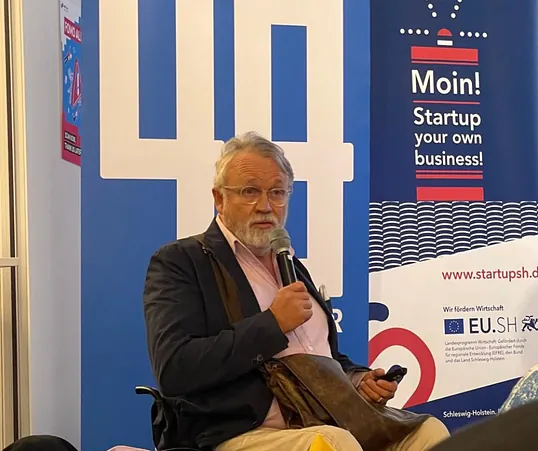 28/11/2025 -HEIONTEC bei der Pitch Night Erneuerbare EnergienMehr lesen
Ein inspirierender Abend im hubraum Berlin bei der Pitch Night „Erneuerbare Energien“: HEIONTEC hat die TEC-G-Technologie („Strom aus Umgebungswärme“) präsentiert (im Bild: Gründer & CEO Andreas Heine) und zahlreiche wertvolle Gespräche mit Investoren, Experten sowie dem Team von StartUp SH geführt.
-
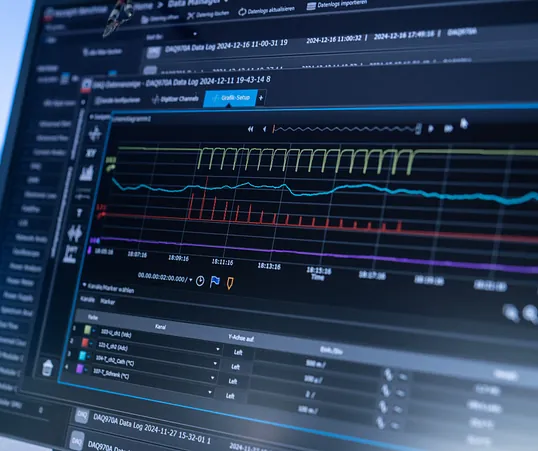 14/11/2025 -Hochschule Düsseldorf bestätigt die Funktion der HEIONTEC TEC-G-ZellenMehr lesen
Die Hochschule Düsseldorf (HSD) unter der Leitung von Prof. Dr. Jens Bockstette hat in einer unabhängigen Messreihe die elektrischen Eigenschaften unserer Zellen untersucht. Die Ergebnisse sind eindeutig: Die HEIONTEC-Zellen verhalten sich gemäß der Charakteristik thermo-elektro-chemischer Generatorzellen (TEC-G).
-
 05/11/2025 -HEIONTEC und SPC planen Entwicklung eines ersten Gerätes mit HEIONTEC-TechnologieMehr lesen
Die HEIONIT GmbH und Smart Product Concepts Limited, Hongkong, haben eine Kooperation zur Planung und Realisierung eines ersten Gerätes mit der proprietären TEC-G Technologie von HEIONTEC vereinbart. SPC ist ein internationaler Entwicklungs- und Produktionspartner, der Unternehmen von der Produktidee bis zur Markteinführung begleitet – mit langjähriger Expertise in Design, Fertigung, Vertrieb und IoT-Lösungen.
-
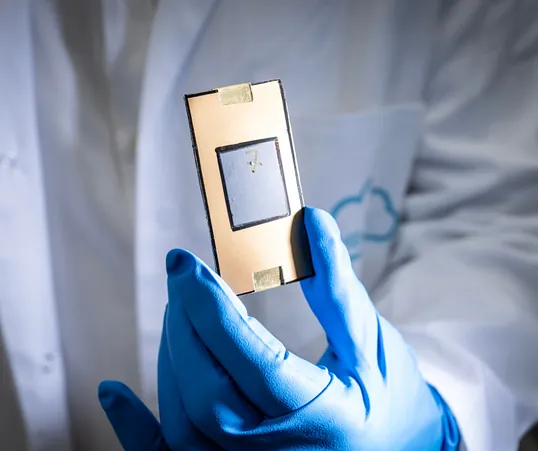 31/10/2025 -Energiesicherheit beginnt im Kleinen – mit jeder autarken ZelleMehr lesen
Energie ist das Fundament moderner Gesellschaften – und längst zu einem geopolitischen Machtfaktor geworden. Krisen, Konflikte und Marktverwerfungen zeigen seit Jahren, wie verletzlich globale Energiesysteme sind: Versorgungslücken, steigende Preise, wachsende Importabhängigkeiten und ein massiver Druck zur Dekarbonisierung.
-
 23/10/2025 -HEIONTEC InvestmentMehr lesen
Über 100.000€ Crowdfunding in nur einer Woche auf FunderNation!
-
 16/10/2025 -Start einer digitalen FinanzierungsrundeMehr lesen
HEIONTEC startet Crowdinvesting auf FunderNation – Marketleader für digitale Unternehmensfinanzierung für Deep-Tech- und Technologieunternehmen! Wir freuen uns, gemeinsam den nächsten Schritt in Richtung Industrialisierung, Markteintritt und globale Skalierung zu gehen.
-
 14/10/2025 -Förderung der ZIM DurchführbarkeitsstudieMehr lesen
Wir freuen uns sehr, bekannt geben zu dürfen, dass HEIONTEC nun offiziell im Rahmen einer ZIM-Durchführbarkeitsstudie gefördert wird!
-
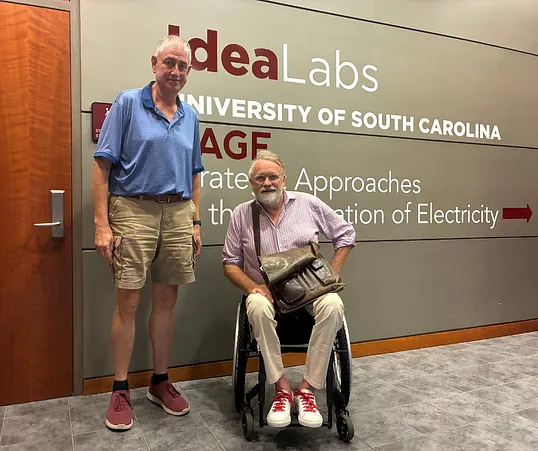 25/08/2025 -HEIONTEC International: US-Gründung in VorbereitungMehr lesen
Prof. Dr. Jochen Lauterbach, Smartstate Endowed Chair for Strategic Approaches to the Generation of Electricity (SAGE) an der University of South Carolina, und Andreas Heine, Geschäftsführer von HEIONTEC, legen den Grundstein für eine Forschungskooperation mit dem Ziel die Technologie weiter zu optimieren und den US-Markt erschließen.
Mehr Infos folgen bald – stay tuned!
-
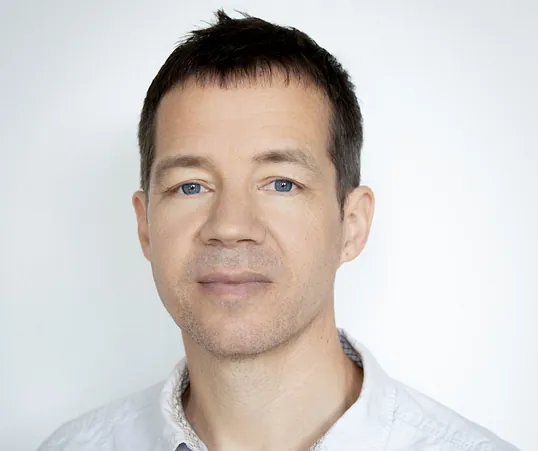 17/07/2025 -HEIONIT GmbH erweitert Forschungsteam mit Dr. Peter Commer als Research ScientistMehr lesen
Die HEIONIT GmbH, ein führendes Unternehmen im Bereich der nachhaltigen Energieerzeugung und Ressourcennutzung, freut sich, Dr. Peter Commer als neues Mitglied ihres Teams vorstellen zu können.
-
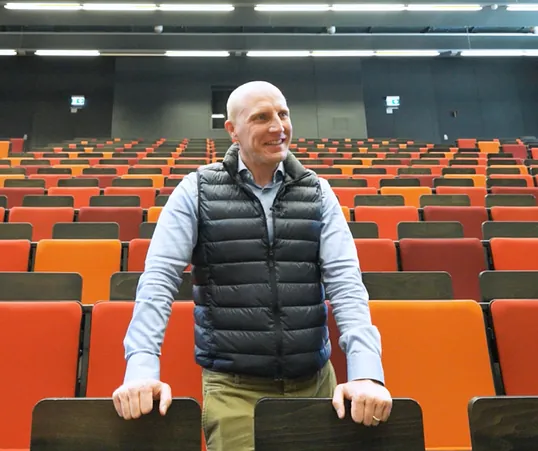 26/06/2025 -Strom ohne Kabel und Batterie: HEIONIT und Hochschule Düsseldorf entwickeln einen Low-Energy-Harvesting DemonstratorMehr lesen
Die HEIONIT GmbH und die Hochschule Düsseldorf - University of Applied Sciences beschließen eine gemeinsame Forschungskooperation zur Entwicklung eines Demonstrators, der Strom ausschließlich aus Umgebungswärme generiert – erstmalig ohne Temperaturgefälle.
-
 04/04/2025 -HEIONIT GmbH verstärkt Team mit Patentanwalt und Diplom-Chemiker Dr. Frank SchneiderMehr lesen
Unser Team wächst: wir heißen Dr. Frank Schneider herzlich willkommen!
-
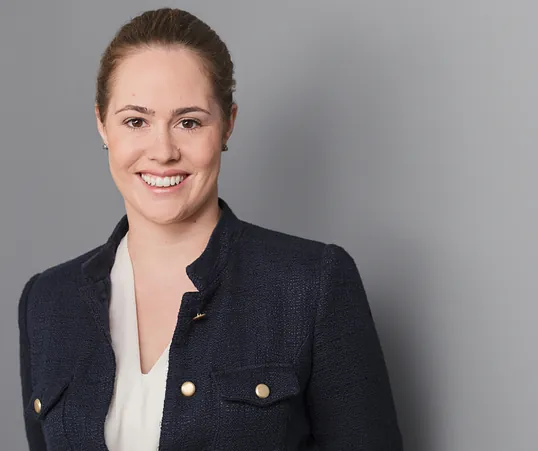 27/03/2025 -Katharina von Heydebreck ist neue Chief Marketing Officer im Team der HEIONIT GmbHMehr lesen
Unser Team wächst: wir heißen Katharina von Heydebreck als neue CMO herzlich willkommen!
-
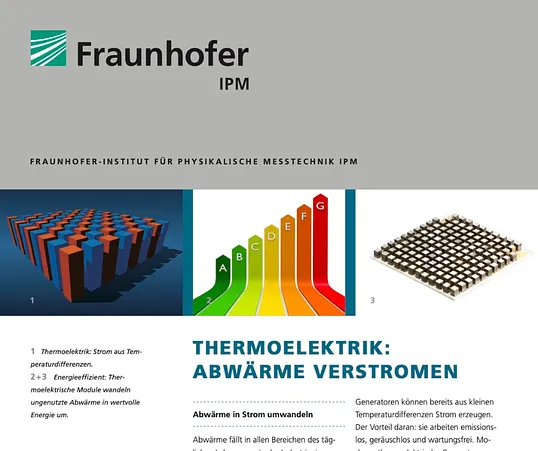 20/02/2025 -Fraunhofer-Institut zum Thema "Thermoelektrik: Abwärme verstromen"Mehr lesen
Lesenswerter Artikel des Fraunhofer-Instituts zur Nutzung von Abwärme mit Hilfe von THERMOELEKTRIK.
Ausgezeichnet 2026
Externe Anerkennungen für Technologie, Unternehmensentwicklung und Innovationspotenzial.
Drahtlose Sensoren sollen verlässlich messen – ohne teure Batteriewechsel
In verteilten Sensorsystemen verursacht der Batteriewechsel häufig mehr Aufwand als die Batterie selbst: Messpunkte müssen erreicht, Einsätze geplant und mögliche Betriebsunterbrechungen vermieden werden. Bestehende Energy-Harvesting-Technologien sind dabei häufig auf Licht, Bewegung oder ein dauerhaftes Temperaturgefälle angewiesen.
TEC-G Zellen
Die Energiequelle ist bereits vor Ort
TEC-G-Zellen nutzen thermische Energie aus ihrer Umgebung als Antrieb für einen reversiblen elektrochemischen Prozess. Ziel ist eine langfristige Energieversorgung für Sensoren, die regelmäßige Batteriewechsel reduziert oder in geeigneten Anwendungen vollständig vermeidet. Der aktuelle Entwicklungsfokus liegt auf Pouch-Zellen und ihrer Integration mit Leistungselektronik und Zwischenspeichern in reale Sensorsysteme.
-
Umgebungswärme nutzen TEC-G-Zellen benötigen kein externes Temperaturgefälle und können thermische Energie bereits bei Umgebungstemperatur nutzbar machen.
-
Unabhängig von Licht und Bewegung Die Technologie eignet sich auch für dunkle, unbewegte oder vollständig gekapselte Einsatzorte.
-
Für drahtlose Sensoren entwickelt Ausgelegt für Ultra-Low-Power-Systeme mit geringem durchschnittlichem Energiebedarf und kurzzeitigen Leistungsspitzen.

Wartungsarm
Weniger Batteriewechsel und Verkabelung reduzieren Wartungsaufwand und Betriebskosten – besonders bei verteilten oder schwer zugänglichen Sensoren.

Ressourcenschonend
Keine seltenen Rohstoffe und weniger Verbrauchsmaterialien reduzieren Materialeinsatz und Abfall über den Lebenszyklus.
Integrationsfähig
Standardisierte Zellformate ermöglichen reproduzierbare Tests und die Integration in Sensor- und IoT-Systeme

Die intelligente Nutzung thermochemischer Reaktionen zur autarken Energiebereitstellung stellt einen echten Technologiesprung dar.
Prof. Dr. Jens Bockstette
Professor für Energiewandlung und -speicherung, Hochschule Düsseldorf
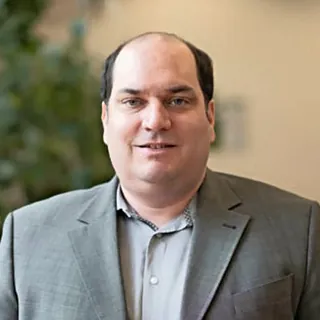
Als Ingenieur mit langjähriger Erfahrung in der Elektronikentwicklung finde ich die Technologie von HEIONTEC äußerst spannend – ein innovativer Ansatz mit großem Potenzial für nachhaltige Energiegewinnung und neue Anwendungen im Elektronikbereich.
Christian Hayer
Investor & Geschäftsführer Steinbeis Embedded Systems Technologies GmbH
FÖRDERPROGRAMME
Wir werden durch nationale Förderinitiativen unterstützt


FORSCHUNGSPARTNER
Enge Zusammenarbeit mit nationalen und internationalen Hochschulen

MITGLIEDSCHAFTEN
Aktive Vernetzung mit Industrie- und Technologie-Organisationen